SERVICE 01 · MEASURE
Passive Sampling & Environmental Monitoring
Better measurements. Defensible data. Informed environmental decisions. We design site-specific monitoring programs, coordinate independent laboratory testing and translate results into technically useful findings.
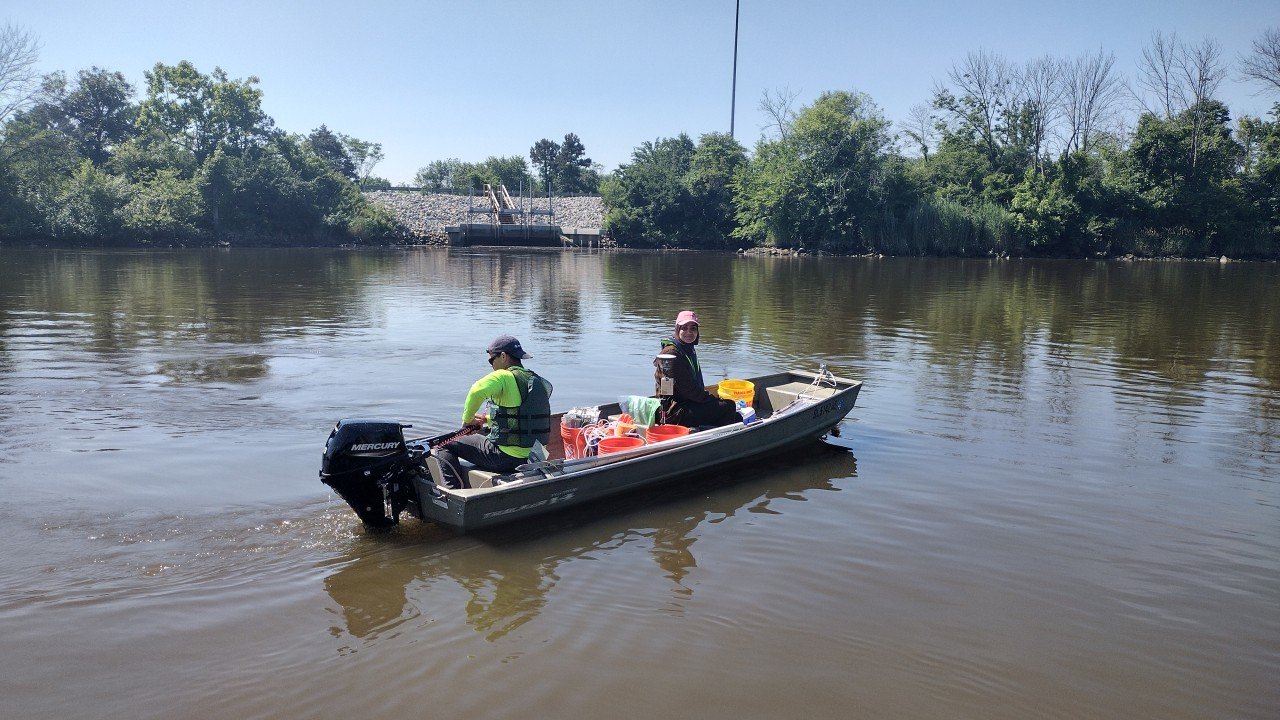
OUR CAPABILITIES
From monitoring design to data interpretation.
01
Site evaluation and monitoring network design
Review site history, possible contaminant sources, environmental pathways, sampling locations, seasons, target analytes and data quality objectives.
02
Passive and conventional sampling
Select, deploy and retrieve passive samplers; use conventional sampling or supporting field parameters where methods and project objectives require them.
03
Third-party laboratory coordination
Agree on analytical methods, detection limits, sample handling and chain of custody with qualified laboratories such as Eurofins when appropriate. VSS does not claim an in-house analytical laboratory.
04
QA/QC and data validation
Review field blanks, duplicates, analytical qualifiers, calibration/holding-time information, nondetects and usability relative to project objectives.
05
Scientific interpretation
Evaluate contaminant distributions, site/season differences, exposure-relevant concentrations and uncertainty using suitable statistics and environmental context.
06
Monitoring recommendations
Prepare defensible findings and recommend follow-up sampling, source investigations or suitable analytical modeling where the evidence supports it.
OUR FIELD-TO-INSIGHT WORKFLOW
One transparent process.
01
Define
Environmental question, locations, analytes, quality needs.
02
Design
Method and sampler choice; network, timing and logistics.
03
Deploy
Field installation/retrieval, records and sample integrity.
04
Analyze
Qualified third-party laboratory chemical analysis.
05
Validate
Quality review and appropriate data qualifiers.
06
Interpret
Technical conclusions and next-step recommendations.
TARGET CONTAMINANTS
Methods matched to the question.
PCBs / PAHs
Hydrophobic organic contaminants
Appropriate passive sampling can help assess freely dissolved concentrations, chemical activity and potential bioavailability. Results are not automatically total concentration measurements.
PFAS
Sampling with method-specific care
Target PFAS analytes, sampler materials, potential background contamination, uptake behavior, laboratory method and regulatory suitability must all be evaluated for each project.
TECHNICAL RESPONSIBILITY
Passive sampling is not appropriate for every contaminant, site or compliance purpose. When conventional methods or agency-required procedures are necessary, those take priority. Independent laboratories perform the agreed analytical testing.
ILLUSTRATIVE APPLICATIONS
What an engagement could look like.
ILLUSTRATIVE APPLICATION
River PCB investigation
A local agency needs spatial and seasonal data to understand variations in freely dissolved PCB concentrations. Example scenario, not a completed VSS project.
ILLUSTRATIVE APPLICATION
PFAS screening near industrial activity
A site manager needs a site-specific sampling strategy and documented laboratory results for target PFAS in surface or groundwater. Example scenario, not a completed VSS project.
ILLUSTRATIVE APPLICATION
Long-term monitoring redesign
A municipality needs to compare historic records, identify gaps and optimize a new monitoring program. Example scenario, not a completed VSS project.
CLIENT DELIVERABLES
What you receive.
- Site-specific monitoring plan and locations map
- Sampling methods, QA/QC criteria and field records
- Third-party laboratory data package and chain-of-custody documents
- Data quality and usability evaluation with qualifiers
- Technical interpretation report and prioritized follow-up recommendations
START A CONVERSATION
Plan a scientifically defensible monitoring program.
Tell us about your site, technical challenge, monitoring needs, or historical dataset. We can help identify an appropriate starting point.